
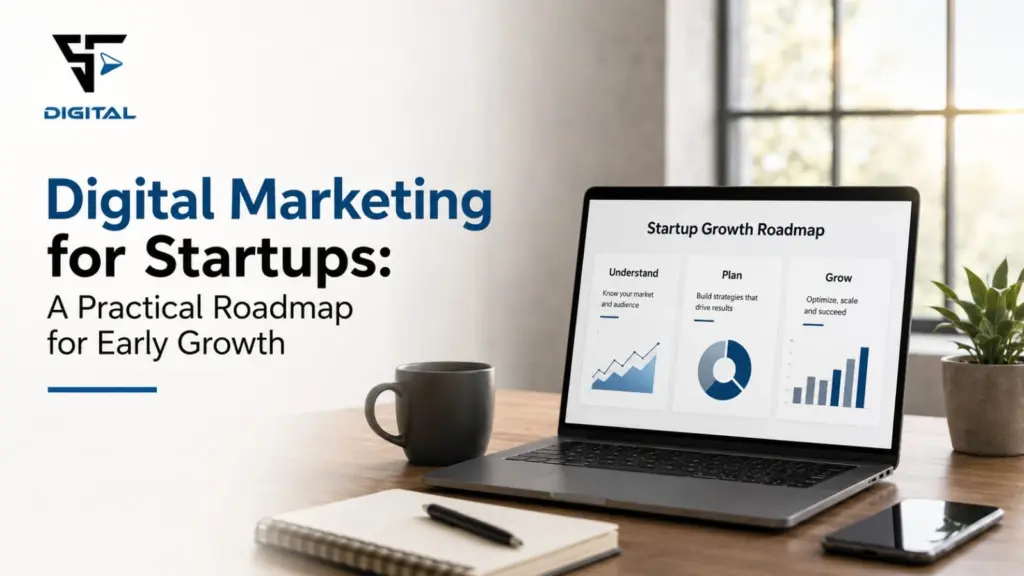
Launching a startup is exciting, but it’s also one of the most resource-constrained phases a business will ever go through. Budgets are tight, teams are small, and every decision carries weight. In this environment, marketing often gets pushed to the back burner — treated as something to figure out “once things stabilize.” That’s a mistake. For startups, digital marketing isn’t a luxury to add later; it’s one of the most powerful tools available for building awareness, generating early traction, and competing against companies with far bigger budgets.
The good news is that digital marketing rewards strategy and creativity more than raw spending power. A startup with a sharp understanding of its audience and a smart digital approach can outperform larger, slower-moving competitors. This post walks through how startups can approach digital marketing in a way that’s practical, sustainable, and built for growth.
The Significance of Digital Marketing for Startups
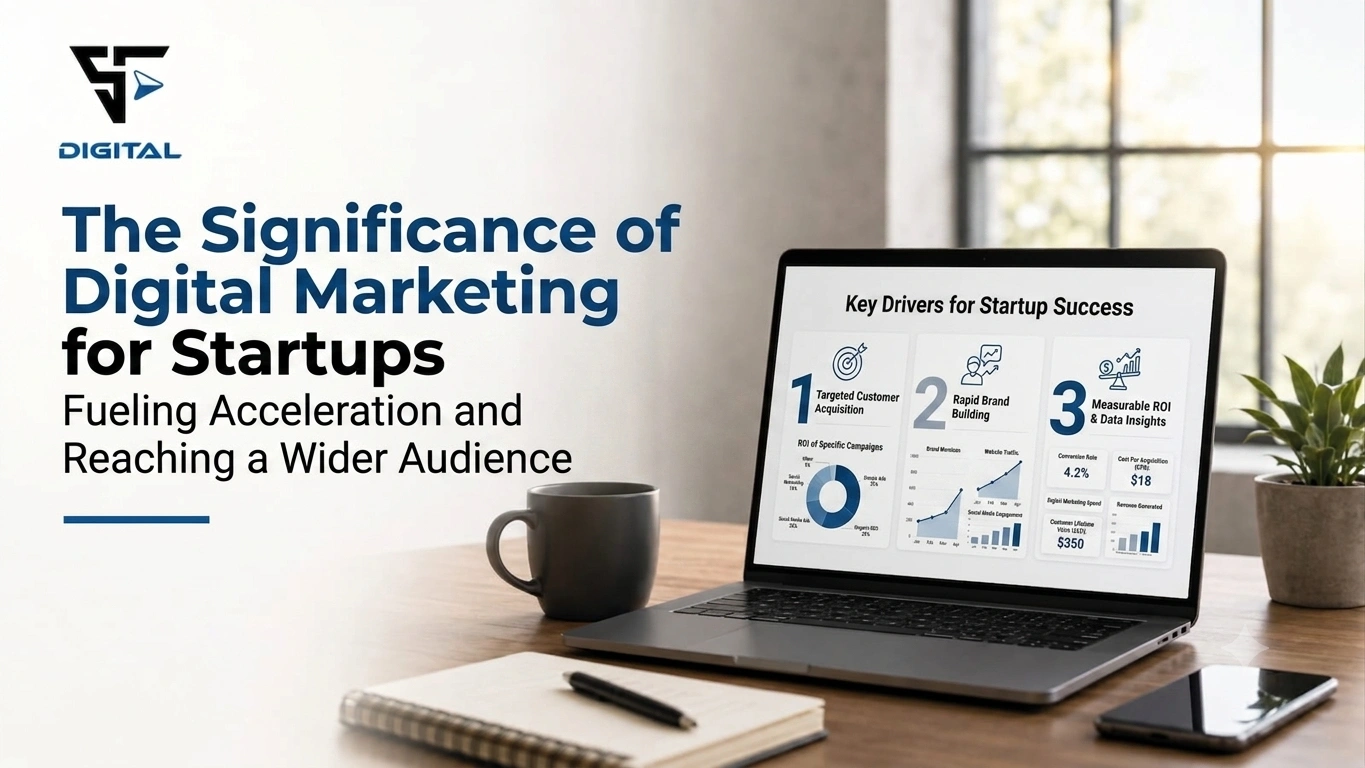
Startups don’t have the brand recognition or customer trust that established companies have built over years. Digital marketing helps close that gap quickly by putting a new business directly in front of the right audience, at the right moment, without requiring a massive advertising budget.
For startups specifically, digital marketing offers:
- A way to build visibility from day one, rather than waiting years for word-of-mouth to spread
- Direct access to niche audiences who are actively searching for solutions
- Real-time feedback on what messaging and positioning actually resonates
- The ability to compete on creativity and relevance rather than budget size
In many ways, digital marketing is the great equalizer for early-stage companies — but only when it’s approached with a clear strategy rather than random experimentation.
Start With a Clearly Defined Target Audience
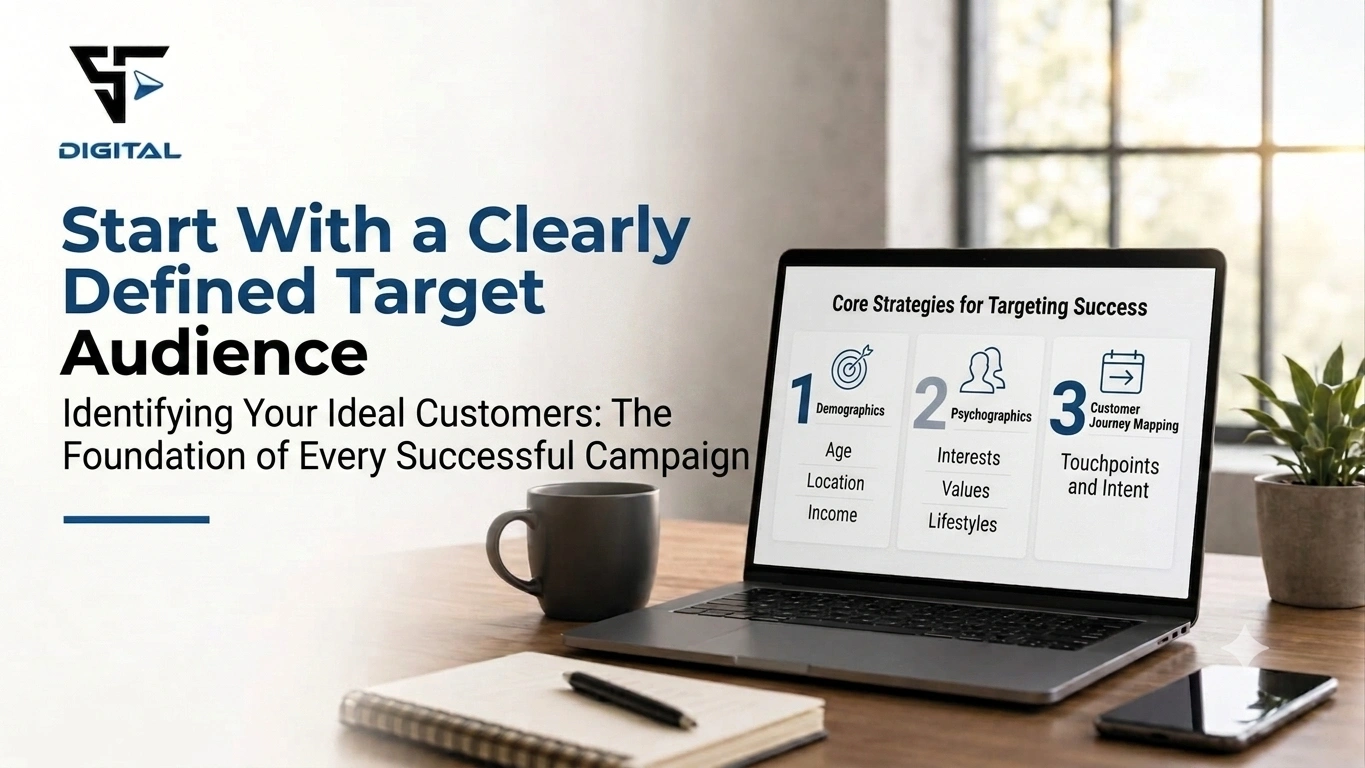
One of the most common mistakes startups make is trying to market to everyone. Without a clearly defined audience, marketing messages end up generic, and generic messaging rarely converts. Before spending a single dollar on advertising, startups need absolute clarity on who they’re trying to reach.
This means answering questions like:
- What particular issue is resolved by the product or service?
- Who experiences that problem most acutely?
- Where does that audience spend their time online?
- What language and tone will resonate with them specifically?
A startup that deeply understands its ideal customer can create marketing that feels personal and relevant, even with a small budget. Broad, unfocused campaigns almost always underperform compared to narrow, well-targeted ones.
Building a Strong Foundation With a Website
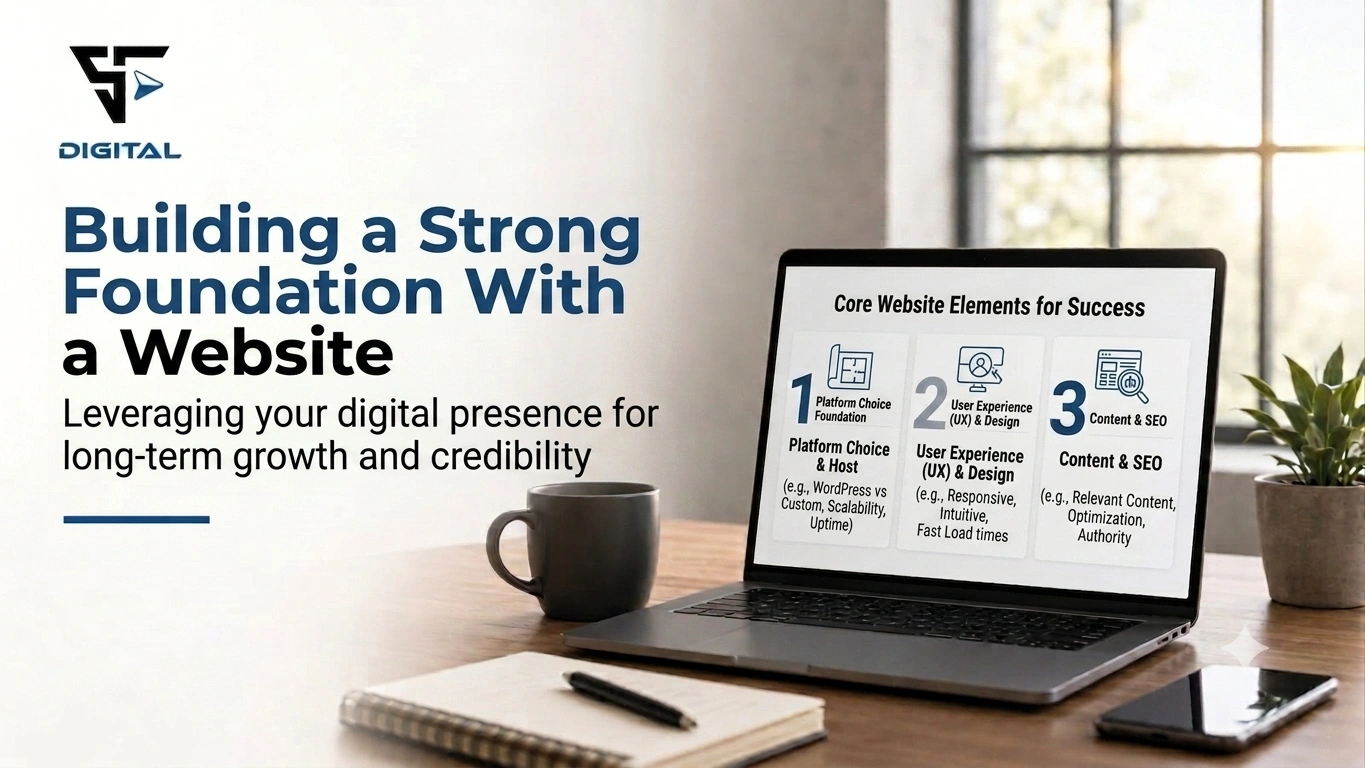
A startup’s website often serves as the first real interaction a potential customer has with the brand. It needs to do more than just look good — it needs to clearly communicate what the business offers, who it’s for, and why it matters, within seconds of someone landing on the page.
An effective startup website should prioritize:
- A clear, simple value proposition above the fold
- Quick loading times are important since slow websites quickly lose visitors.
- Mobile-friendly design, as phones account for a significant portion of traffic
- Clear calls to action guiding visitors toward signing up, purchasing, or contacting the business
- Social proof, such as testimonials, case studies, or early customer logos
Every other marketing effort — ads, social media, email — will eventually funnel people back to the website. If that foundation isn’t solid, even the best campaigns will struggle to convert.
Content Marketing as a Long-Term Growth Engine
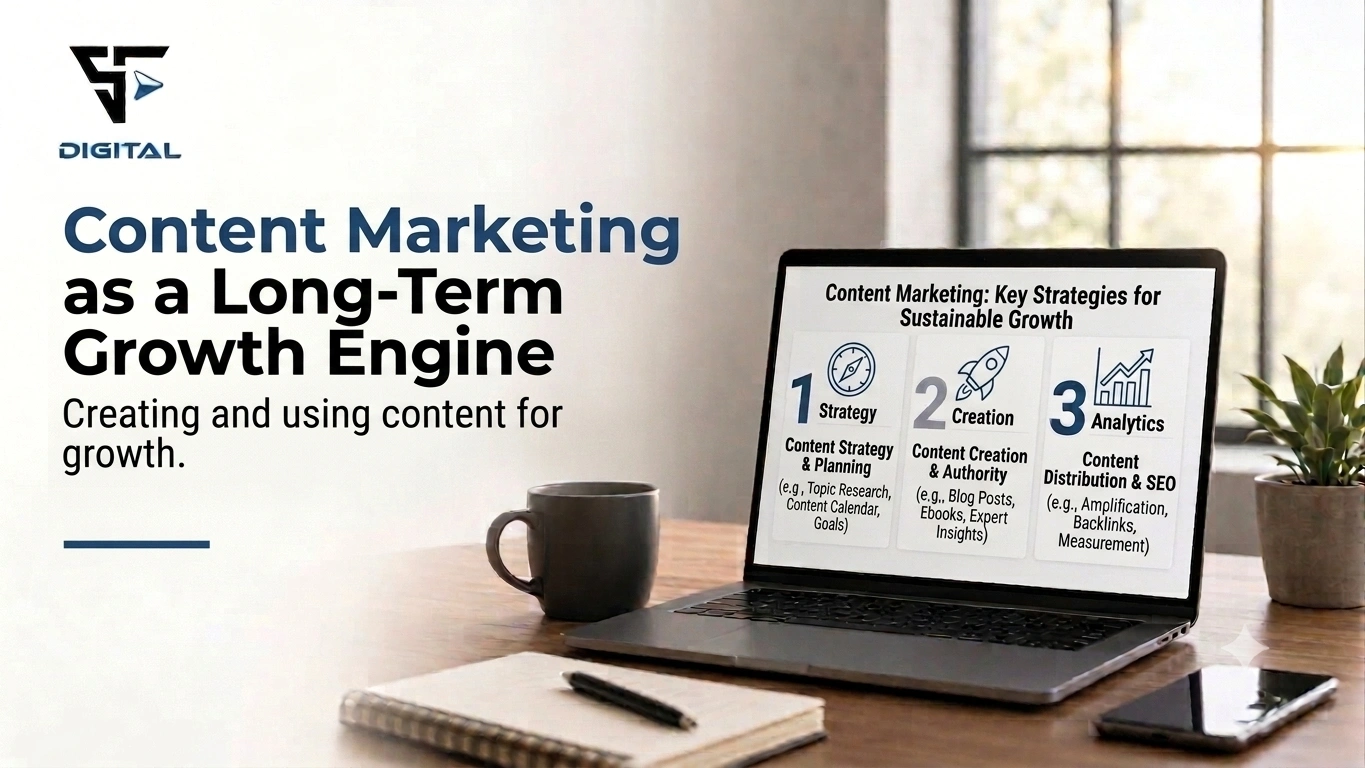
For startups with limited advertising budgets, content marketing offers one of the highest long-term returns within digital marketing for startups. Unlike paid ads that stop generating results the moment spending stops, valuable content continues attracting visitors long after it’s published.
Effective content marketing for startups often includes:
- Blog posts that answer common questions their target audience is searching for
- Educational content that positions the founder or team as experts in their space
- Case studies or behind-the-scenes stories that build trust and relatability
- Video content that explains the product in a simple, engaging way
Consistency matters more than volume here. A startup that publishes one thoughtful, well-researched piece of content per week will typically outperform one that publishes sporadically without a clear strategy. This steady, compounding approach is exactly what makes content marketing such a powerful pillar of digital marketing for startups. Ultimately, startups that commit to consistent, valuable content build a foundation that keeps working long after the effort of digital marketing for startups slows down.
Search Engine Optimization: Playing the Long Game
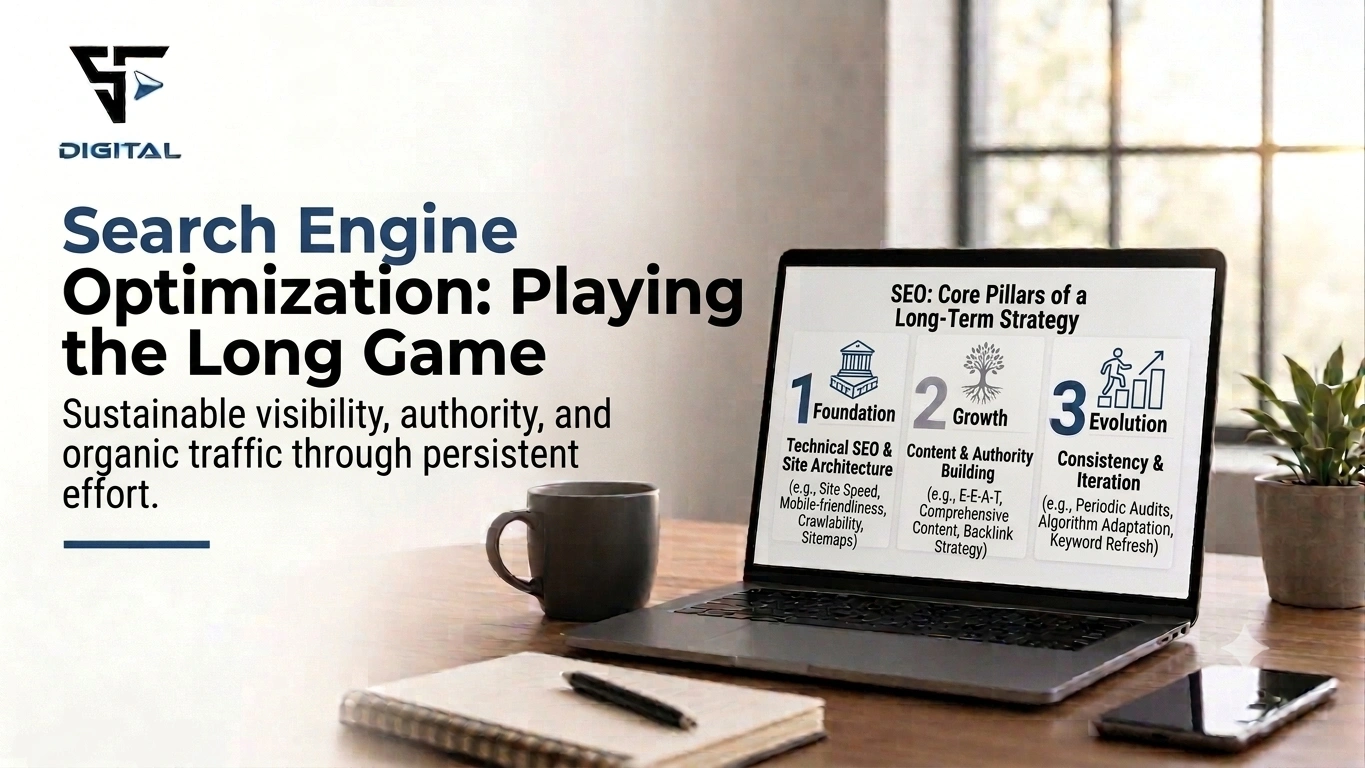
SEO can feel slow and unglamorous compared to paid advertising, but for startups, it’s one of the most valuable long-term investments available within digital marketing for startups. Ranking well in search results means a steady stream of potential customers finding the business organically, without ongoing ad spend.
Startups should focus their early SEO efforts on:
- Identifying keywords their ideal customers are actually searching for
- Creating content that directly answers those search queries
- Optimizing website structure, page speed, and mobile usability
- Building credibility through backlinks from relevant, reputable sources
SEO won’t produce overnight results, but startups that start early gain a significant advantage over competitors who wait until they’re more established to invest in it. This is why SEO is often considered the backbone of sustainable digital marketing for startups — it compounds over time rather than stopping the moment spend does. Ultimately, startups that treat SEO as a priority from day one build a lasting asset that pays dividends throughout their digital marketing for startups journey.
Social Media as a Community-Building Tool

For startups, social media is about far more than posting product updates. It’s a direct line to potential customers, a way to build community, and a low-cost channel for testing messaging and gathering feedback in real time. Social media has become one of the most accessible entry points into digital marketing for startups, requiring far less budget than traditional advertising.
To use social media effectively, startups should:
- Choose platforms based on where their target audience actually spends time, rather than trying to be everywhere at once
- Share a mix of educational content, behind-the-scenes moments, and genuine engagement, not just promotional posts
- Respond actively to comments and messages to build real relationships
- Use short-form video, since it currently drives some of the highest organic reach
Startups that treat social media as a two-way conversation, rather than a broadcast channel, tend to build far more loyal and engaged early audiences. This conversational approach is a core principle of effective digital marketing for startups — one that larger, slower-moving brands often struggle to replicate. Ultimately, mastering social media engagement gives digital marketing for startups a genuine edge in building trust from day one.
Paid Advertising: Small Budgets, Smart Targeting
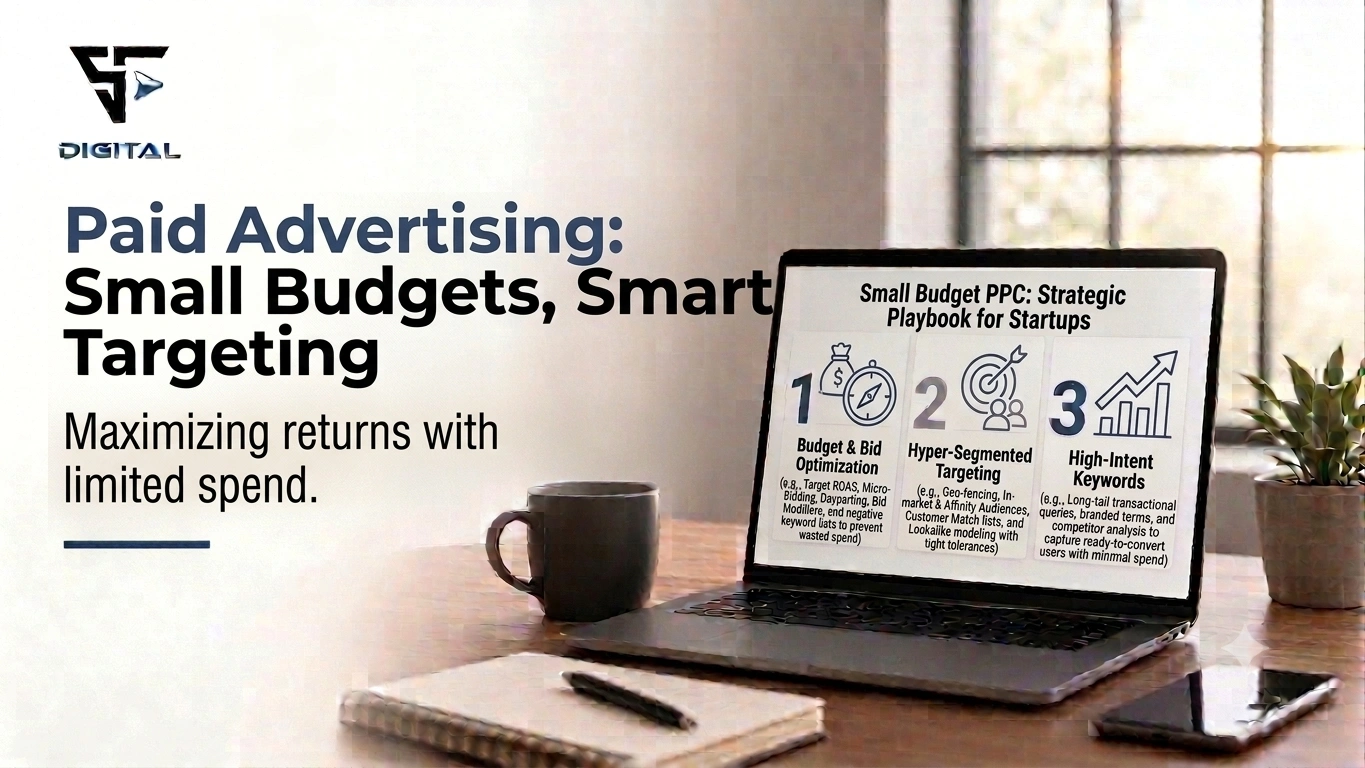
While organic strategies are essential, paid advertising can accelerate growth when used strategically. The key for startups is starting small, testing carefully, and scaling only what actually works — a principle that applies to every paid channel within digital marketing for startups.
A smart approach to paid advertising includes:
- Starting with a modest budget across one or two platforms rather than spreading spend too thin
- Running A/B tests on ad creative, messaging, and targeting to identify what resonates
- Focusing on highly specific audience segments rather than broad targeting
- Tracking cost per acquisition closely to ensure spending remains sustainable
Paid ads should be treated as an experiment at first, not a guaranteed growth channel. This test-first mindset is what separates smart digital marketing for startups from wasteful spending. Startups that carefully measure results before scaling spend avoid burning through limited budgets on ineffective campaigns, keeping digital marketing for startups sustainable even on a tight budget.
Email Marketing: An Underrated Growth Channel
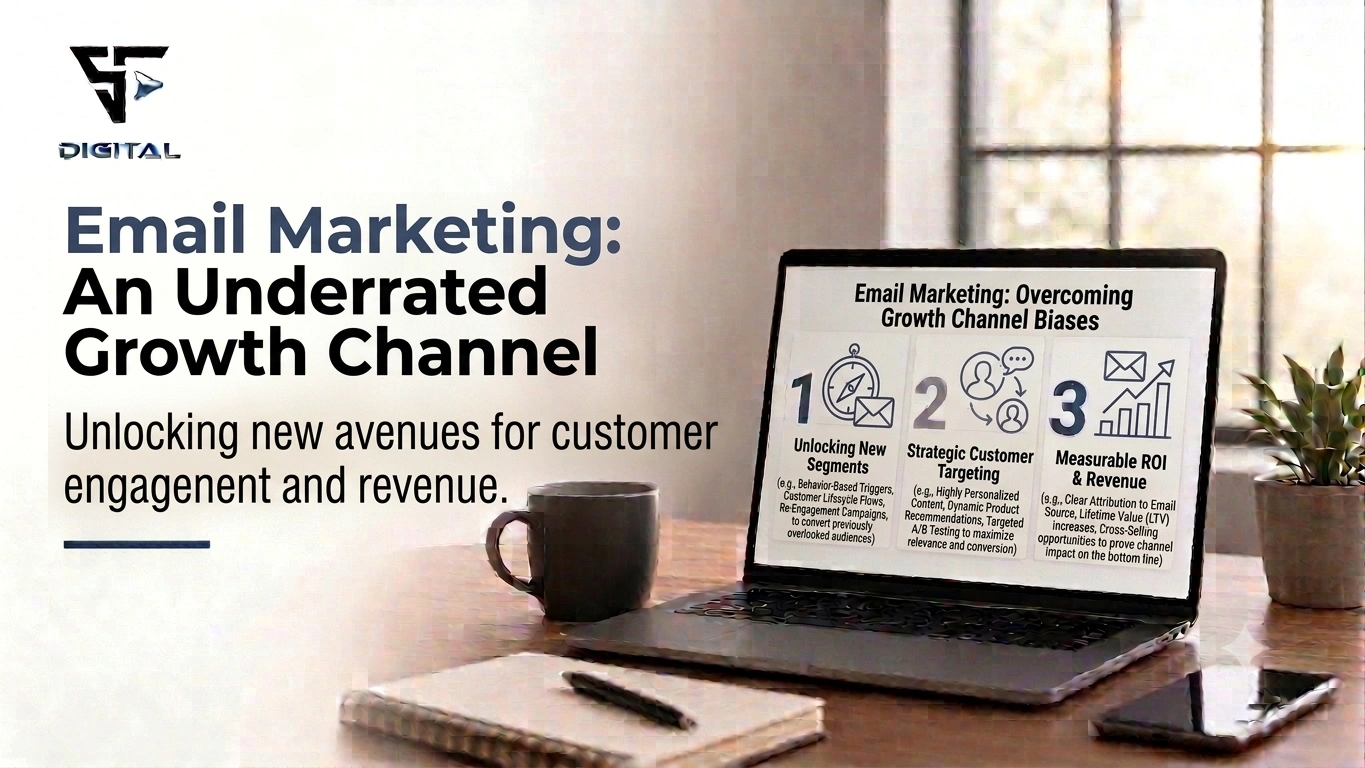
Email marketing often gets overlooked by startups chasing the latest social media trend, but it remains one of the most cost-effective channels available in digital marketing for startups. It allows direct, personal communication with an audience that has already shown interest in the business.
Startups can use email marketing to:
- Nurture leads who aren’t ready to buy immediately
- Share product updates, launches, and milestones
- Provide valuable content that keeps the brand top of mind
- Re-engage customers who haven’t interacted with the brand recently
Building an email list from day one — even before a product officially launches — gives startups a direct channel to their most engaged potential customers, independent of any social media algorithm changes. This makes email one of the most reliable, algorithm-proof tools in digital marketing for startups. Ultimately, any solid approach to digital marketing for startups should treat list-building as a foundational priority, not an afterthought.
Leveraging Early Customers as Advocates

For startups, early customers are one of the most valuable marketing assets available. Their feedback, testimonials, and word-of-mouth referrals carry more weight than almost any paid campaign, especially in the early stages when trust is still being built. This is why customer advocacy deserves a central place in any digital marketing for startups strategy.
Startups can encourage this advocacy by:
- Actively requesting reviews and testimonials from satisfied early customers
- Creating referral programs that reward customers for bringing in new business
- Featuring real customer stories and case studies in marketing materials
- Engaging directly with early customers to understand what’s working and what isn’t
This kind of organic advocacy often carries far more credibility than traditional advertising, especially for a brand that’s still establishing itself. For digital marketing for startups, this word-of-mouth momentum can be more cost-effective than any paid channel. Ultimately, building genuine customer relationships is one of the smartest long-term investments in digital marketing for startups.
Measuring What Actually Matters

With limited resources, startups can’t afford to waste time or budget on strategies that aren’t working. This makes measurement and analytics an especially important part of digital marketing for startups. Rather than tracking vanity metrics like follower counts, startups should focus on numbers that directly reflect business growth.
Key metrics worth prioritizing include:
- Customer acquisition cost across different channels
- Conversion rates at each stage of the funnel
- Customer lifetime value compared to acquisition cost
- Which channels are actually driving revenue, not just traffic
A results-driven approach to digital marketing for startups means regularly reviewing these numbers, allowing startups to double down on what’s working and cut what isn’t, rather than continuing strategies out of habit or assumption. Ultimately, this is what separates effective digital marketing for startups from guesswork — decisions backed by real data instead of assumptions.
Staying Agile and Willing to Pivot

One of the biggest advantages startups have over larger companies is speed. Without layers of approval processes, startups can test new ideas, adjust messaging, and pivot strategies far more quickly than established competitors. This is why digital marketing for startups works so differently from traditional corporate marketing — it thrives on agility rather than rigid planning.
This agility should be treated as a genuine strategic advantage:
- Testing new channels or content formats without waiting for a “perfect” plan
- Adjusting messaging quickly based on real customer feedback
- Being willing to abandon strategies that aren’t producing results, even if they seemed promising initially
- Staying closely connected to customer needs as the product and market evolve
Startups that stay flexible and responsive, rather than locking into rigid long-term plans, are often better positioned to find what actually works. This flexible, test-and-learn approach is exactly what makes digital marketing for startups so effective — it turns limited resources into a genuine competitive edge.
Building a Sustainable Marketing Foundation for the Future

While early-stage marketing often involves scrappy, resourceful tactics, it’s important for startups to think beyond quick wins. The goal isn’t just short-term traction — it’s building a marketing foundation that can scale as the business grows.
This means:
- Documenting what strategies and messaging have worked so they can be repeated and refined
- Investing in tools and systems that can scale alongside the business
- Building genuine brand identity and voice, not just running disconnected campaigns
- Balancing short-term growth tactics with long-term brand-building efforts
A startup that builds this kind of foundation early will be far better positioned for sustainable growth as it moves beyond the earliest stages.
Frequently Asked Questions
1. Why shouldn’t startups delay digital marketing until they’re more established?
Startups lack the brand recognition and trust that established companies have built over time. Digital marketing helps close that gap early by putting the business in front of the right audience without a massive budget — waiting means missing out on early traction and momentum.
2. What’s the biggest mistake startups make with their target audience?
Trying to market to everyone. Without a clearly defined audience, messaging becomes generic and underperforms. Startups need clarity on the exact problem they solve, who feels it most, and where that audience spends time online before spending anything on ads.
3. What should a startup’s website prioritize in the early stages?
A clear value proposition above the fold, fast loading times, mobile-friendly design, strong calls to action, and social proof like testimonials or early customer logos. Since every marketing effort eventually funnels people back to the site, a weak foundation undermines everything else.
4. Is content marketing worth it for a startup with a small budget?
Yes — it’s one of the highest long-term returns available. Unlike paid ads, which stop working the moment spending stops, content keeps attracting visitors after it’s published. Consistency (like one solid post a week) matters more than volume.
5. Should startups invest in SEO if they need results quickly?
SEO is a long game and won’t produce overnight results, but starting early gives startups a lasting advantage — a steady stream of organic traffic without ongoing ad spend. It pairs well with, but doesn’t replace, faster channels like paid ads.
6. How should startups approach social media differently from bigger brands?
By treating it as a two-way conversation rather than a broadcast channel — choosing platforms where their actual audience spends time, mixing educational and behind-the-scenes content with genuine engagement, and using short-form video for organic reach.
7. How much should a startup spend on paid advertising early on?
Start small — a modest budget on one or two platforms rather than spreading spend thin. Paid ads should be treated as an experiment first: test creative and targeting, track cost per acquisition closely, and only scale what’s proven to work.
8. Is email marketing still relevant for startups?
Very much so. It’s one of the most cost-effective channels and offers direct communication with people who’ve already shown interest. Building an email list from day one — even pre-launch — gives startups a channel independent of social media algorithm changes.
9. How can early customers help with marketing?
Their feedback, testimonials, and referrals often carry more weight than paid campaigns, especially while a brand is still building trust. Startups can encourage this through review requests, referral programs, and featuring real customer stories.
10. What metrics should startups actually track?
Customer acquisition cost, conversion rates at each funnel stage, customer lifetime value versus acquisition cost, and which channels drive actual revenue — not vanity metrics like follower counts. This keeps limited resources focused on what’s genuinely working.
Conclusion
Digital marketing for startups offers a genuine opportunity to compete, even against much larger and better-funded competitors. Success doesn’t come from having the biggest budget — it comes from deeply understanding the target audience, staying consistent, measuring results honestly, and remaining willing to adapt quickly.
Startups that treat digital marketing for startups as a core part of their growth strategy, rather than an afterthought, put themselves in a far stronger position to build lasting traction, earn customer trust, and grow sustainably in a competitive market.
Visit for More Blogs